



NET Remedies™ safely activate the body's natural ability to heal using the scientific principle of 'like-cures-like'.
All of the NET Remedies products are:- free of alcohol, gluten, sodium, sugar and yeast
- compatible with vitamins, herbs and medicines (including prescription drugs)
- safe for all ages — including babies, the elderly and pregnant & nursing mothers
View the NET Remedies Mini Reference Guide
Dr. Scott Walker developed the NET Remedies homeopathic formulas to specifically support the NET process, as well as help many other mind and body conditions.
For NET Remedies in Australia & New Zealand please click here
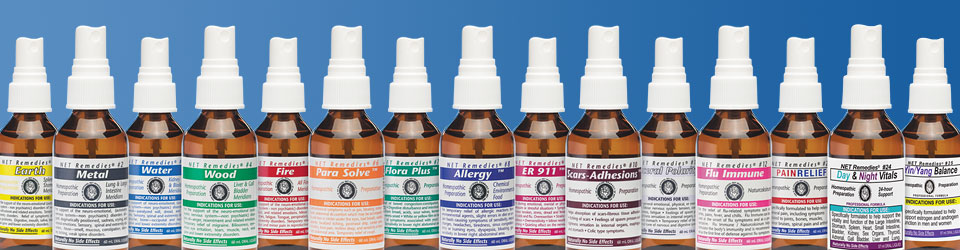
Current NET Remedies™ Lineup
-
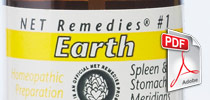
#1 Earth
more info -
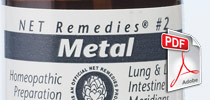
#2 Metal
more info -
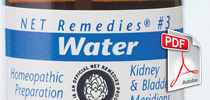
#3 Water
more info -
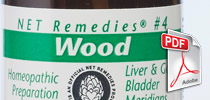
#4 Wood
more info -
#5 Fire
more info -
#6 Para Solve
more info -
#7 Flora Plus
more info -
#8 Allergy
more info -
#9 ER 911
more info -
#10 Scars-Adhesions
more info -
#11 Visceral Polarity
more info -
#12 Flu Immune
more info -
#20 Pain Relief
more info -
#24 Day & Night Vitals
more info -
#25 Yin/Yang Balance
more info -

more info
Important: Although an active ingredient is listed on the label, it is never present in its full-strength form. While the full-strength version of some of the ingredients might be undesirable, the diluted homeopathic version will activate the body's healing response to safely eliminate related toxins.
Using the WellnessCheckOnline.com is a quick and easy way for practitioners to identify areas of need and prioritize a patient's treatment plan.